
The Franklin Hub
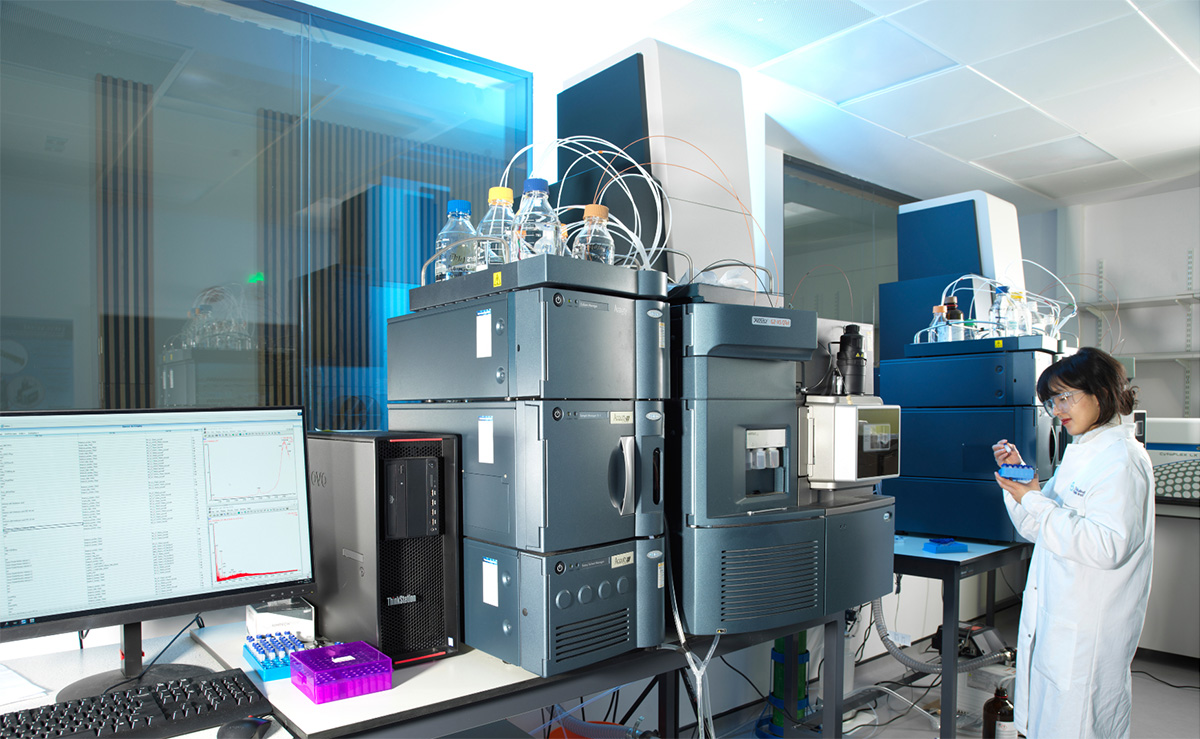
Our world-leading technology hosted at the Hub is matched by the innovative design of the building itself – unique in its experimental capabilities.
Our Campus
The Franklin is part of the thriving Harwell Science and Innovation Campus, which hosts a range of science and technology companies, from early stages of academic research to real-world application.
The Campus is a growing community with a range of social activities, from Harwell Next Gen networking events to sports teams and interest groups. There is something for everyone on Campus.
Campus location
The Campus is located in the beautiful South Oxfordshire countryside.
However, frequent bus services from the Campus offer easy access to Oxford, and Didcot Parkway Mainline Rail Station is only 5 miles away, with direct services to Central London (Paddington) in less than 45 minutes.
London Heathrow and Southampton airports are less than one hour by road. Gatwick, Birmingham, Bristol and Luton airports can all be reached in less than 1.5 hours from the Campus.
Meet Our PhD Student

Angharad Smith – PhD Student
Thesis title: Unravelling protein crystallisation within Bacillus thuringiensis with cryogenic microscopy
Angharad graduated from Imperial College London with an MSci in Chemistry and Medicinal Chemistry. She carried out her final year project at the Francis Crick Institute investigating the activation of PADI4 proteins. During her degree she also completed a placement year at GSK Consumer Healthcare (Haleon) working in New Product Development.
Angharad’s project focuses on developing cryo-electron microscopy tools and techniques to study crystallisation mechanisms in situ. Angharad is working on an interdisciplinary project with Dr Jacques-Philippe Colletier’s group at the Institut de Biologie (IBS), Grenoble, to study the intracellular processes involved in protein crystallisation within the bacterium Bacillus thuringiensis (Bt). She is utilising high-resolution imaging techniques, such as cryo-electron microscopy, and combine these results with cryogenic soft X-ray tomography data collected at B24, Diamond Light Source.
Here is what Angharad has to say about the PhD programme: “Being at the Franklin is an incredible learning experience. The nature of our research teams means everyone has some understanding of biology, chemistry, physics, and computing, and we have become brilliant communicators through collaboration and communication between different research teams. We also learn many specialist skills because of the access we have to remarkable pieces of scientific equipment.”